
Community Energy Platform

Renewable Energy
Explained for Real
Communities

Wind, solar, and biomass — broken down technically, practically, and honestly. Built for cooperatives and communities who want to understand what actually works before committing.

Why This Platform Exists

Technical clarity for people who need to make real decisions

Most renewable energy content falls into two camps: it is either too simplified to be useful, or too academic to apply. Communities and cooperatives sit in an awkward middle — they need genuine technical grounding without a PhD to parse it.

Wofuhu Nihuro fills that gap. Every topic is written with the assumption that your community is serious, your questions are specific, and your time is limited. We cover the engineering fundamentals, the logistical realities, and the governance structures that determine whether a project succeeds or stalls.

See What Makes Us Different
Community members reviewing solar installation plans together at a table
Practical First

Three Energy Sources

What we cover in depth

Each technology has its own engineering logic, its own ideal use case, and its own set of community-specific considerations. Here is how we approach each one.

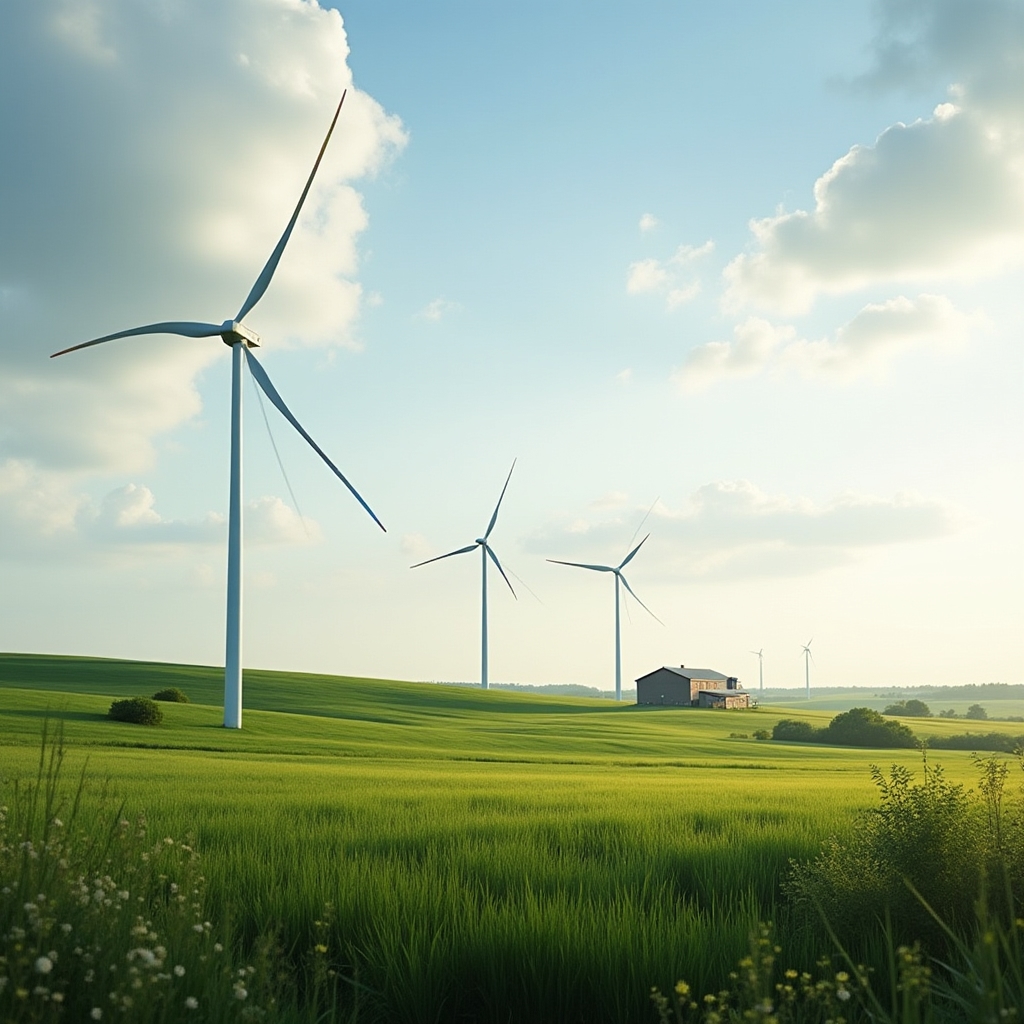
Small-scale wind turbines installed in an open field with blue sky
Wind

Wind Energy Systems

Micro and small wind turbines occupy a technically demanding niche. Site wind resource assessment, turbine selection by swept area and rated power, tower height tradeoffs, and grid-tie versus off-grid configurations. We cover what wind speed data means in practice, how to read a turbine power curve, and what noise and shadow flicker requirements look like at the planning stage.

Explore wind
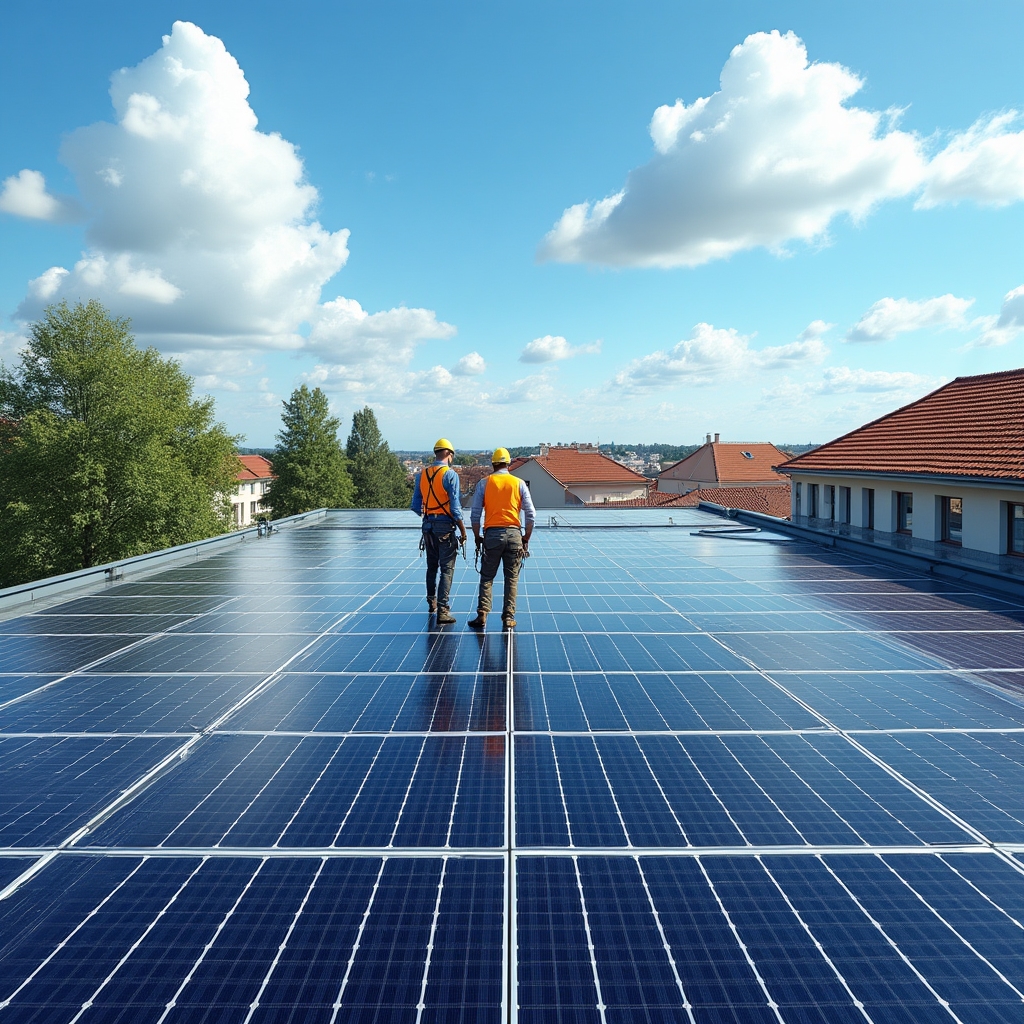
Solar panels installed on a community building rooftop in an urban setting
Solar

Photovoltaic and Solar Thermal

Solar photovoltaics are now the most accessible entry point for community energy. But accessible does not mean simple. Shading analysis, string configuration, inverter sizing, battery chemistry selection, and the regulatory framework for collective self-consumption all require careful attention. Solar thermal for heat is a separate discipline with its own sizing logic and collector types.

Explore solar
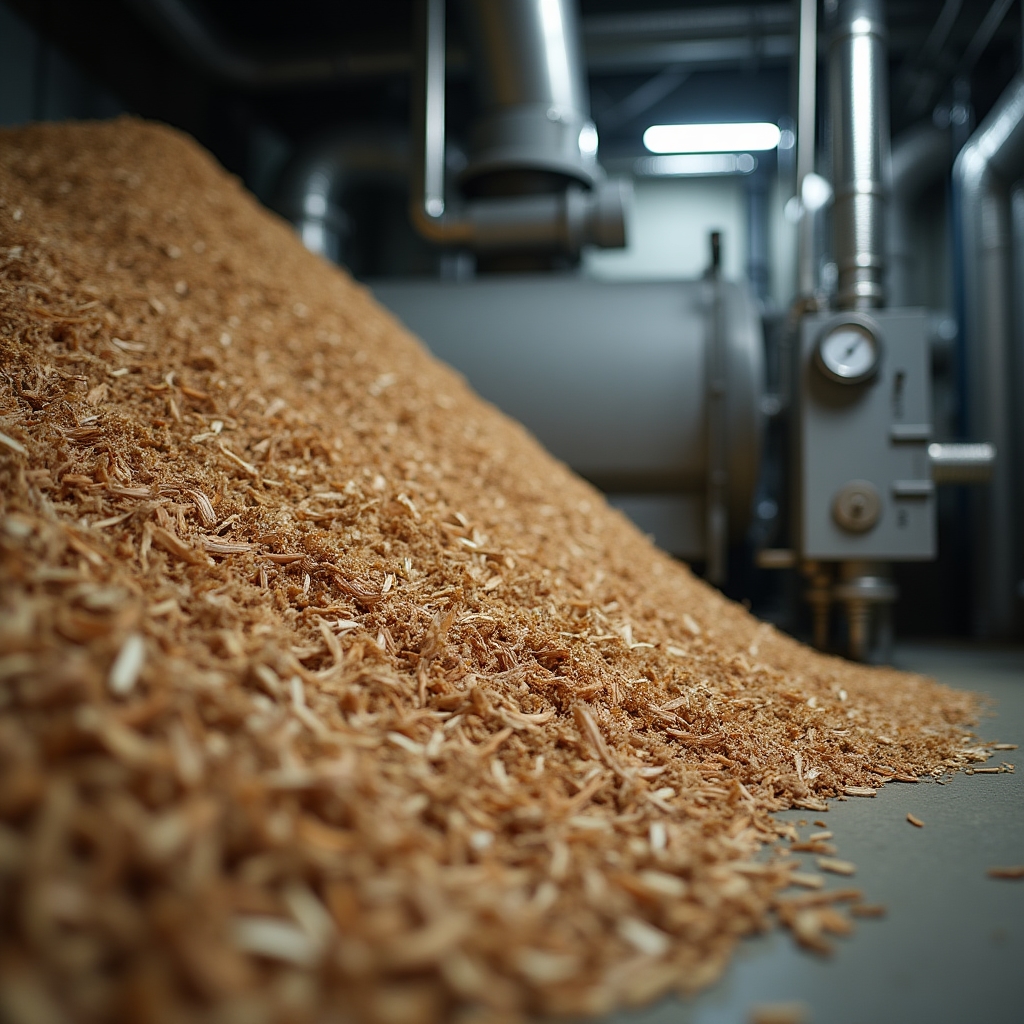
Wood chip biomass fuel storage at a small community heating facility
Biomass

Biomass for Heat and Power

Biomass is the most logistically complex of the three. Feedstock moisture content, calorific value, combustion system type, ash handling, and emissions standards all interact. For communities in forested or agricultural areas, biomass district heating can be highly practical. We explain the difference between pellet boilers, woodchip gasifiers, and anaerobic digestion systems without oversimplifying.

Explore biomass

How Knowledge Becomes Action

From curiosity to confident planning

01

Understand the technology

Before any community can evaluate a proposal, it needs a working understanding of how the technology functions. Not at a marketing level. At the level where you can ask a developer a real question and evaluate the answer.

02

Assess your specific site

Every location is different. Wind resources vary by terrain. Solar yield depends on latitude and local shading. Biomass depends on what feedstock is available within an economically sensible radius. We explain the assessment methods so communities can run initial checks themselves.

03

Map the governance structure

Who owns the system? Who decides? Who bears the risk? Cooperative and community energy models have legal and financial structures that need to match the technology choice. We cover the main models used across Poland and the EU.

04

Engage with qualified professionals

Armed with real knowledge, communities can have productive conversations with engineers, planners, and legal advisors rather than passive ones. That shift changes outcomes.

Engineer with laptop analyzing wind data on a hillside site assessment

Technical Depth

We do not skip the engineering

Power curves. Capacity factors. Specific yield. Levelized cost of energy. These are not jargon to hide behind. They are the numbers that determine whether a project is worth pursuing. We explain each metric, what it means for a small-scale installation, and how communities can use it when reading a developer's proposal.

Our content treats communities as capable of understanding complexity. Because they are.

Site resource assessment methods
System sizing and configuration
Grid connection requirements
Regulatory and permitting landscape in Poland
Our Methodology

Cooperative Focus

Built for collective ownership, not individual investors

Energy cooperatives and community benefit societies have governance requirements that individual projects do not. Decision-making processes, member liability, profit distribution, and long-term asset management all look different when a group rather than a person owns the system.

We address these questions directly, covering Polish cooperative law basics, EU energy community frameworks, and the practical mechanics of running a shared energy asset over its full operational lifetime.

Learn More
Cooperative members in a meeting discussing energy project documents

Knowledge Base

Topics we explore

A sampling of the technical and governance topics covered across the platform.

Micro-wind turbine selection
PV string configuration
Battery storage sizing
Pellet boiler vs. woodchip
Wind resource mapping
Grid connection procedures
Polish cooperative law
LCOE for small systems
Anaerobic digestion basics
EU energy community rules
Shading analysis methods
Biomass supply chains

Ready to dig into the details?

Start with the technology that fits your community's context. Each section builds from fundamentals to practical application.